
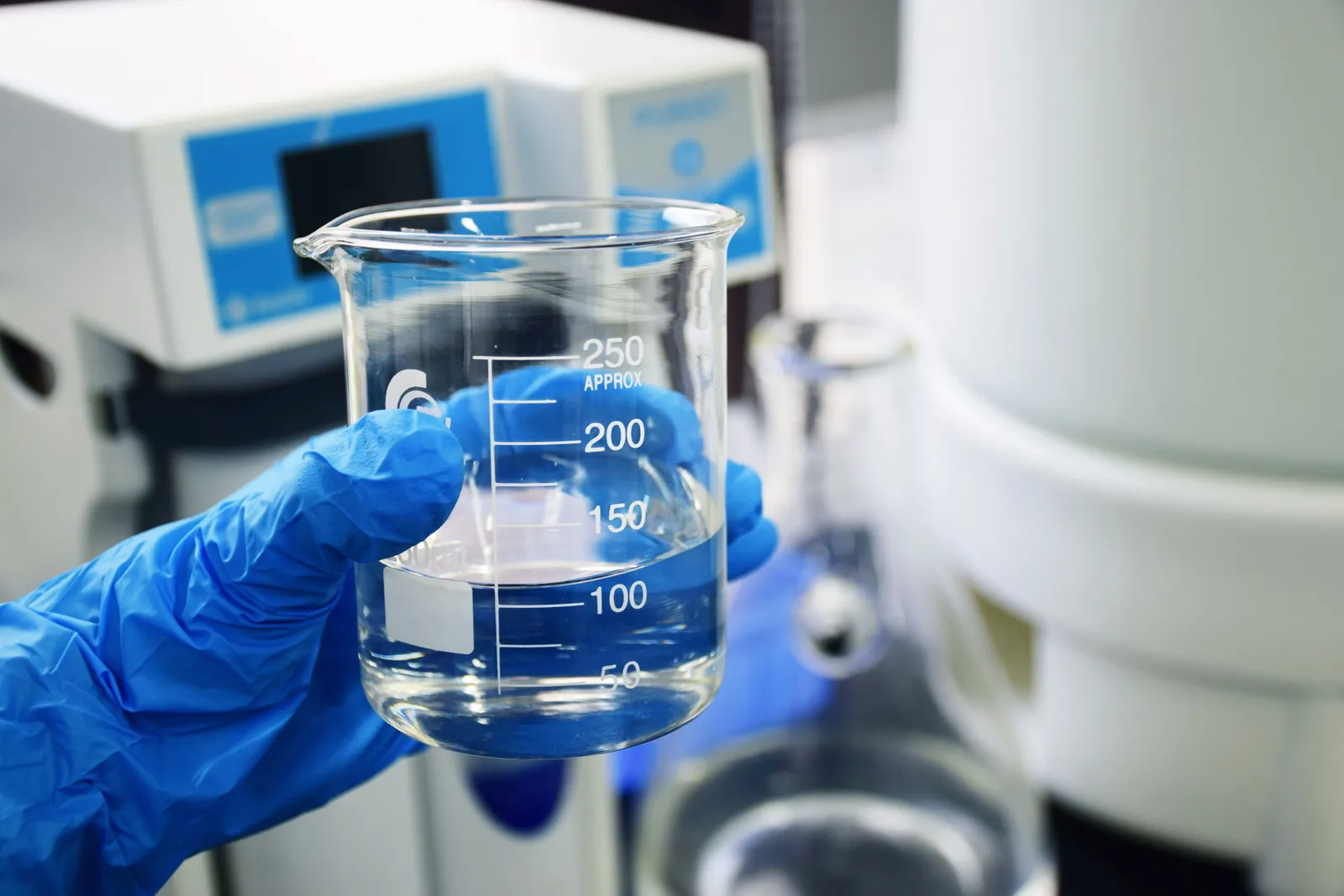
Water is the source of life. Household tap water is the core water used in our daily lives for drinking, cooking, washing, and cleaning, and it directly affects the health of the whole family. Many families have a common misunderstanding: they believe that as long as municipal tap water meets standards when it leaves the plant, the water at home is absolutely safe and does not need testing. In fact, regular water quality testing of household tap water is a key step in safeguarding home drinking water safety and an effective way to avoid hidden water quality hazards. Today, let us explain in detail why household tap water must be tested regularly, as well as the importance and necessity of home water quality testing.
I. Municipal compliance ≠ household water compliance; secondary pollution cannot be ignored.
Most residents trust the quality inspection standards of municipal water supply. The water quality from municipal water plants is tested strictly in accordance with the national Standards for Drinking Water Quality, and all indicators meet safety specifications. However, many people do not know that during the process of transporting tap water from the plant to household faucets, secondary pollution is very likely to occur, and this is the core reason for the decline in home water quality.
Underground water supply pipes stretching for several kilometers or even tens of kilometers, community secondary water supply tanks, rooftop water storage tanks, and old building pipe networks are all "invisible sources" of water pollution. Long-term use of water pipes can breed bacteria and accumulate rust, sediment, and heavy metal impurities; if secondary water supply facilities are not cleaned and disinfected in time, they can breed algae, microorganisms, and insect eggs; aging and damaged pipes in old communities may also allow underground pollutants to seep in, causing household tap water to become turbid, odorous, and to contain excessive impurities.
These secondary pollution problems cannot be directly identified by the naked eye, nor can they be completely solved by boiling. Relying only on factory testing at the water plant cannot guarantee the water quality safety at the terminal household faucet. This is the core reason for regular testing of household tap water.
II. Hidden water quality hazards endanger family health.
Unqualified household tap water may look clear and transparent, but in fact it may have multiple problems such as excessive heavy metals, residual chlorine, excessive total bacteria, organic pollution, and excessive scale. Long-term drinking and use can cause chronic harm to human health, and the elderly, children, pregnant women, and people with sensitive constitutions are more obviously affected.
Heavy metals such as lead, mercury, and cadmium remaining in water can accumulate in human organs after long-term intake, damage the liver and kidneys, affect nervous system development, and especially hinder children's intellectual and physical development; excessive bacteria and E. coli in water can easily cause gastroenteritis, diarrhea, abdominal pain, and other gastrointestinal diseases; excessive residual chlorine can produce disinfection by-products, and long-term drinking increases the body's metabolic burden; and excessive water hardness and scale not only affect the taste of drinking water but also, with long-term use, easily cause stone-related problems.
These water quality problems are highly hidden. Short-term use will not cause obvious discomfort, but they can create long-term chronic harm. Through regular home water quality testing, hidden dangers can be identified in advance, health risks caused by water quality problems can be eliminated from the source, and the drinking water safety of the whole family can be safeguarded.
III. Damage to household water-related equipment forces regular water quality testing.
In addition to harming human health, substandard tap water can also seriously damage various water-related home appliances and bathroom equipment, increasing household living costs. Today, most families have installed water purifiers, water heaters, washing machines, showerheads, faucets, and other water-related equipment. If tap water has severe scale, excessive impurities, or high sediment content, it will directly clog water purifier filter cartridges and showerhead outlets, cause scale buildup in water heater liners, reduce heating efficiency, and breed dirt and bacteria inside washing machines.
The core reason many household water purifier filter cartridges clog frequently, water output becomes smaller, and equipment fails frequently is that the incoming tap water quality is substandard. Regular tap water testing can accurately grasp the water hardness, impurity content, and pollutant indicators at home. Matching water purification equipment and replacing filter cartridges according to actual water quality conditions can not only extend the service life of home appliances but also avoid unnecessary equipment repair and replacement costs.
IV. Regular tap water testing is the basic guarantee for scientific drinking water.
As residents' health awareness continues to increase, household water quality testing and home drinking water safety have become rigid needs for modern healthy family life. Many families blindly install water purifiers and water purification equipment without knowing what problems exist in their own water quality, resulting in inappropriate equipment selection, poor purification effects, and wasted costs.
Regular comprehensive testing of household tap water can accurately detect core indicators such as heavy metals, bacteria, residual chlorine, hardness, pH value, and organic matter in the water, and clearly grasp the true condition of home water quality. If water quality meets standards, it can be used with confidence; if slightly exceeding standards, targeted water purification optimization can be carried out; if seriously substandard, corrective measures can be taken in time to fundamentally solve drinking water safety problems.
V. How often should household tap water be tested?
Many users ask: how often should household tap water be tested? Based on home water use scenarios and water quality change patterns, here are professional testing recommendations:
Regular household users: It is recommended to test tap water quality once a year to comprehensively investigate annual water quality hazards;
Residents of old communities: Pipe networks are aging and prone to pollution, so testing once every six months is recommended;
Families with water purification equipment: Test once every 3-6 months to verify purification effects and determine filter cartridge replacement cycles;
Families with elderly people, children, or pregnant women: It is recommended to test regularly once a month to safeguard the drinking water safety of special groups.
Summary
In short, municipal tap water being safe when it leaves the plant does not mean that terminal household water is safe. Many problems, such as secondary pollution, aging pipes, and equipment scale buildup, can cause household tap water quality to decline. Regular household tap water testing is a scientific way to investigate hidden water quality hazards, safeguard family health, and protect household water-related equipment. It is also a necessary measure for healthy water use in modern families. Only by actively testing water quality and understanding water quality conditions can we truly achieve safe drinking water and healthy water use.