
Introduction
Product Definition
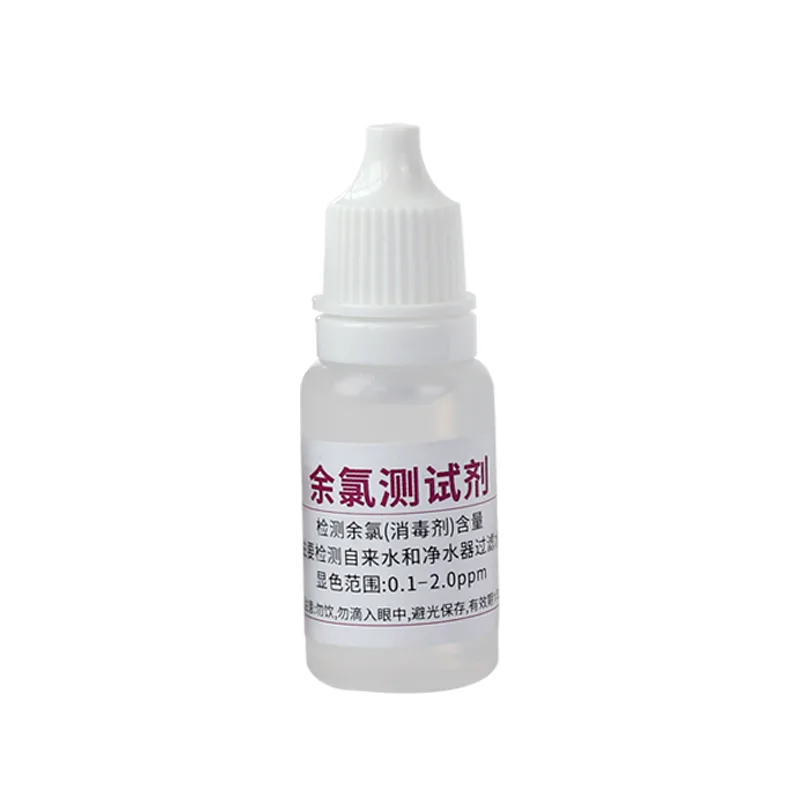
B01 Residual Chlorine Test Reagent is a chemical reagent product used for the rapid detection of residual chlorine content in water. The product utilizes the chemical colorimetric method. After dropping the reagent into a water sample, the user can determine the residual chlorine concentration by comparing with a color comparison card. It is suitable for water quality safety screening and routine monitoring in swimming pools, tap water, food processing, medical and health care, and other fields.
Product Features
- Simple operation: complete in three steps — collect a water sample, drop in the reagent, and compare with the color card. No professional knowledge or equipment required.
- Rapid detection: results can be read within minutes, suitable for rapid on-site screening.
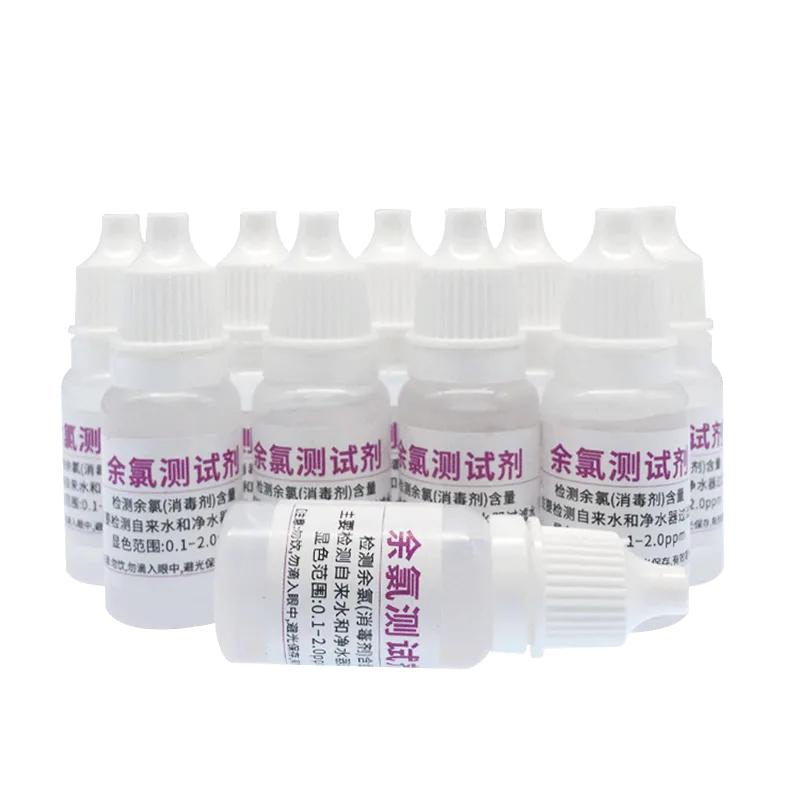
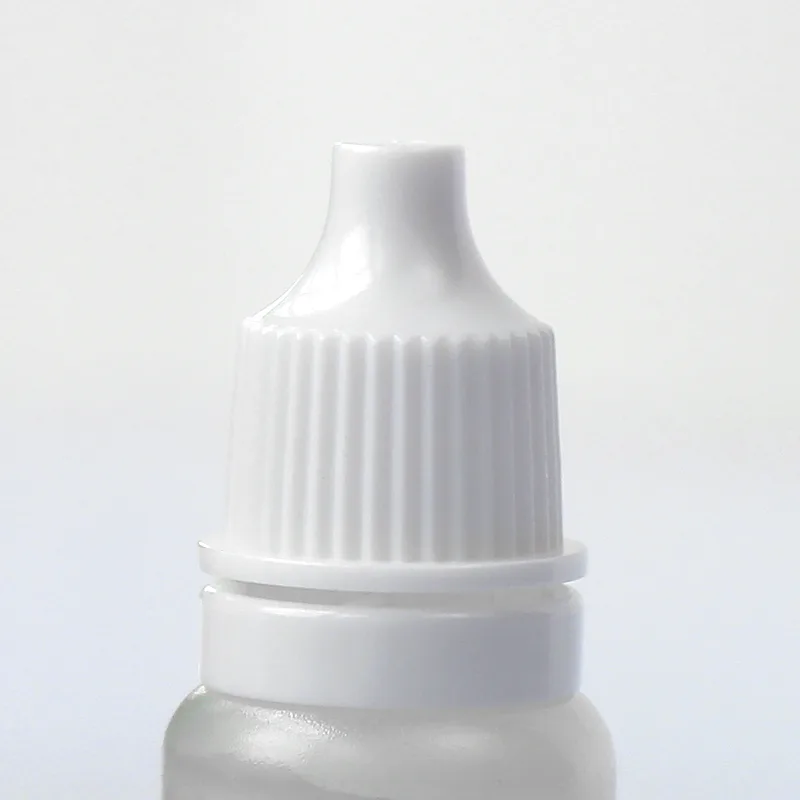
- Compact and portable: 10ml dropper bottle packaging, easy to carry and ready to use.
- Comes with a color comparison card: standard color scale for intuitive visual comparison and convenient reading.
- Wide application: suitable for swimming pool water, tap water, food processing water, medical water, and other scenarios.
- Manufacturer strength: national high-tech enterprise, multiple product patents, OEM/ODM customization supported, daily output of 1,000 bottles, and MSDS certification assistance available.
Core Parameters
- Product Name: B01 Residual Chlorine Test Reagent
- Product Model: B01
- Capacity: 10ml
- Test Item: Residual chlorine content
- Detection Range: 0.05-0.5ppm
- Application Scope: Swimming pool industry, water treatment plants, food processing, medical and health care
- Water Sample Volume: 20ml
- Reagent Dosage: 2-3 drops
Instructions for Use
- Collect 20ml of water sample in a clean container.
- Add 2-3 drops of residual chlorine reagent to the water sample and shake well.
- Compare with the color card to determine the residual chlorine content.
- Perform color comparison in a well-lit environment whenever possible to ensure accurate readings.
Reference Standard
Standard colorimetric scale for residual chlorine content in tap water: 0.05, 0.1, 0.2, 0.3, 0.4, 0.5, 0.6, 0.7, 0.8, 0.9, 1.0, >1.0+ ppm. The normal residual chlorine range for household tap water is 0.05-0.5ppm. It is generally considered that tap water with residual chlorine above 0.05ppm has sustained disinfection capability, while levels exceeding 0.5ppm are above the standard and harmful to human health.
Precautions
- Do not ingest. Keep out of reach of children.
- Avoid skin contact. If accidental contact occurs, rinse immediately with plenty of clean water.
- If swallowed, seek medical attention immediately.
Application Scenarios
- Swimming pool industry: used for monitoring residual chlorine content in swimming pool water to ensure water hygiene and safety.
- Water treatment plants: used for rapid spot checks of residual chlorine in finished water, distribution network water, and terminal water.
- Food processing: used for residual chlorine monitoring of production water to ensure food safety.
- Medical and health care: used for residual chlorine detection in medical water and clinical environments.
- Household testing: users can test the residual chlorine content of tap water themselves to determine whether the water quality is safe.
FAQ
Q: How do I use the B01 Residual Chlorine Test Reagent?
A: Collect 20ml of water sample, add 2-3 drops of residual chlorine reagent, shake well, and compare with the color card in a well-lit environment to read the residual chlorine content.
Q: What is the detection range of this reagent?
A: The detection range is 0.05-0.5ppm. If the residual chlorine concentration of the water sample exceeds 0.5ppm, it is recommended to dilute the water sample first or use a residual chlorine detection tool with a higher range.
Q: What is considered a normal residual chlorine level in tap water?
A: The normal residual chlorine range for household tap water is 0.05-0.5ppm. It is generally considered that tap water with residual chlorine above 0.05ppm has sustained disinfection capability; levels exceeding 0.5ppm are above the standard and may be harmful to human health.
Q: Why should color comparison be done in a well-lit place during testing?
A: Lighting conditions can affect the visual judgment of the color development result. A well-lit environment reduces color comparison errors and makes the test results more accurate.
Q: Can the B01 Residual Chlorine Test Reagent be used for swimming pool water testing?
A: Yes. This product is suitable for the swimming pool industry, water treatment plants, food processing, and medical and health care fields where residual chlorine needs to be controlled.
Q: Can I purchase in bulk or request customization?
A: OEM/ODM customization is supported with a daily output of 1,000 bottles. Bulk orders receive preferential pricing, and assistance with MSDS certification is available.
Related Terms
Residual Chlorine: The amount of effective chlorine remaining in water after chlorine disinfectant is added and a certain contact time has elapsed. Residual chlorine is an important indicator for evaluating the disinfection effect of drinking water.
ppm: Parts Per Million, a concentration unit representing parts per million. 1ppm is approximately equal to 1mg/L.
MSDS: Material Safety Data Sheet, a safety technical document for chemicals that provides information on safe use and emergency response.
OEM/ODM: OEM refers to original equipment manufacturing, while ODM refers to original design manufacturing, in which the manufacturer designs and produces products according to customer requirements.