
Introduction
Product Definition
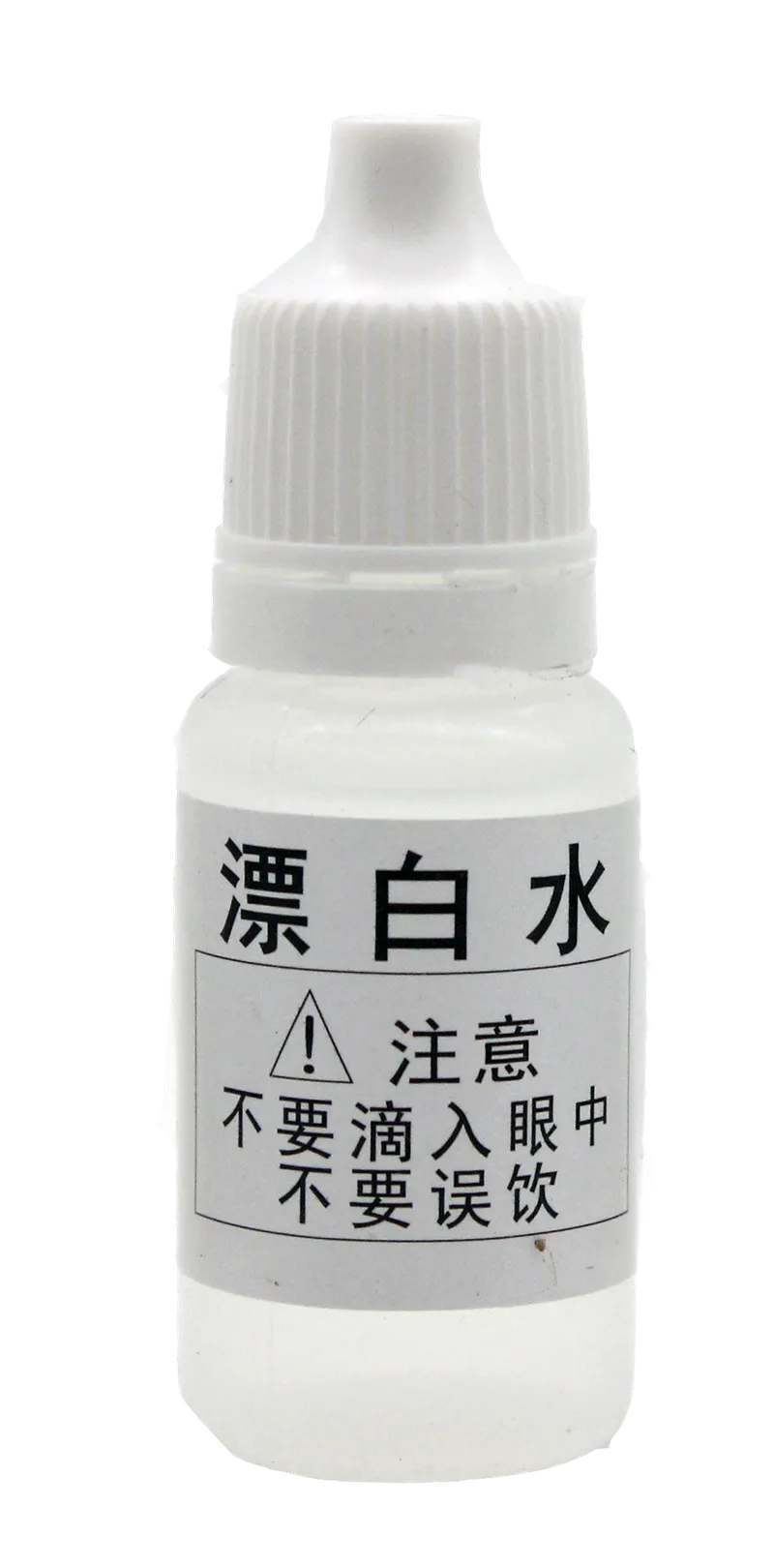
B12 Bleach Water Test Reagent is a semi-quantitative reagent for rapid detection of bleach water/residual chlorine in water samples. Through a color reaction, it can determine whether a water sample contains bleach water components and provide an approximate residual level. It can be used to test the filtration performance of water purifiers and to assist in determining whether residual chlorine test reagents are still effective.
Product Features
- Fast color development: Results can be observed in about 5 seconds.
- Simple operation: Simply drop the reagent into the water sample; no professional instruments required.
- Semi-quantitative determination: The color reaction allows quick determination of the presence or absence and approximate level of bleach water/residual chlorine.
- Wide applicable range: Suitable for clear and transparent water samples at 0–60°C.
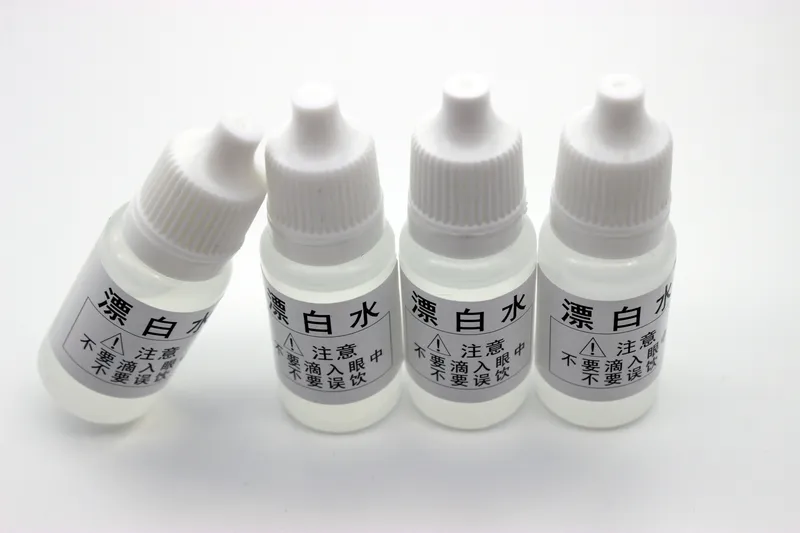
- Portable and easy to use: 10ml dropper bottle with approximately 200 drops, compact size for convenient on-site testing.
- Good environmental adaptability: Operating temperature 0–50°C, humidity ≤85% RH.
- 1-year shelf life: Use within the validity period to ensure reliable test results.
Key Specifications
- Product Name: B12 Bleach Water Test Reagent
- Model: B12
- Volume: 10ml/bottle
- Drops: Approx. 200 drops/bottle
- Tested Solution Temperature Range: 0–60°C
- Tested Water Sample Requirement: Clear and transparent
- Analytical Method: Semi-quantitative
- Reaction Time: Approx. 5s
- Operating Ambient Temperature: 0–50°C
- Operating Ambient Humidity: ≤85% RH
- Unit Dimensions: Approx. 6*2 cm
- Unit Weight: Approx. 8.9g
- Packaging Specification: 100pcs/box, approx. 22.5*21.5*6 cm
- Shelf Life: 1 year
Application Scenarios
- Water purifier filtration performance testing: Take inlet and outlet water samples from the water purifier, add B12 Bleach Water Test Reagent to each, and observe the color changes. If the inlet water reacts while the outlet water does not react or the reaction is significantly weaker, the filter cartridge is providing good filtration. If the outlet water still shows an obvious reaction, check the filter cartridge or water purification equipment.
- Residual chlorine reagent effectiveness verification: Use this test reagent to test the residual chlorine reagent to be verified, and determine whether the residual chlorine reagent is still usable based on the color reaction.
- Rapid water quality screening: Used for rapid semi-quantitative screening of bleach water/residual chlorine in routine water quality testing.
FAQ
Q: What is B12 Bleach Water Test Reagent used to detect?
A: It is used to detect bleach water/residual chlorine in water samples, evaluate water purifier filtration performance, and assist in determining whether residual chlorine test reagents are effective.
Q: Is the detection speed fast?
A: Yes, the reaction time is about 5 seconds.
Q: What are the requirements for the water sample?
A: The water sample should be clear and transparent, and its temperature should be within the range of 0–60°C.
Q: How many drops can each bottle provide?
A: Each bottle has a volume of 10ml and provides approximately 200 drops. The actual number of tests depends on the number of drops used per test.
Q: How do I determine whether the water purifier filtration performance is good?
A: You can test the inlet and outlet water samples of the water purifier separately. Normally, if the inlet water shows a color reaction while the outlet water shows no obvious color reaction, the filter cartridge has good filtration performance for bleach water/residual chlorine. If the outlet water still shows an obvious color reaction, check the filter cartridge or water purification equipment.
Q: How do I determine whether a residual chlorine reagent is still effective?
A: Use B12 Bleach Water Test Reagent to perform a test with the residual chlorine reagent to be verified, and observe whether a normal color reaction occurs. If there is no reaction or the color development is clearly abnormal, the residual chlorine reagent may have failed.
Q: What are the requirements for the operating environment?
A: It is recommended to use the reagent in an environment with a temperature of 0–50°C and humidity of ≤85% RH, and to use it within the 1-year shelf life.
Related Terms
- Bleach water: Usually refers to sodium hypochlorite solution, with the active ingredient expressed as available chlorine.
- Residual chlorine: Active chlorine components remaining after chlorine-based disinfectants dissolve in water; it can be used to assess disinfection performance and the filtration performance of water purification equipment.
- Residual chlorine reagent: A chemical reagent used to detect residual chlorine in water; B12 Bleach Water Test Reagent can assist in verifying its effectiveness.
- Semi-quantitative detection: A rapid method such as a color reaction used to determine the approximate concentration range of a target substance, without providing an exact numerical value.
- Color reaction: A visible color change produced when the target substance chemically reacts with a reagent.
- Water purifier filtration performance: The ability of water purification equipment/filter cartridges to remove contaminants such as residual chlorine from water.