
Introduction
Product Definition
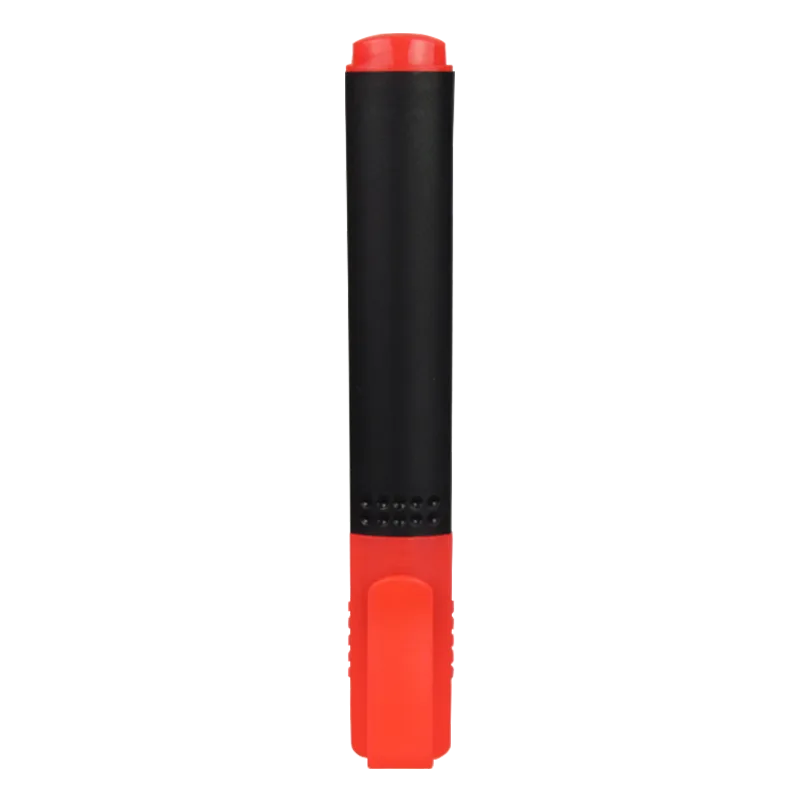
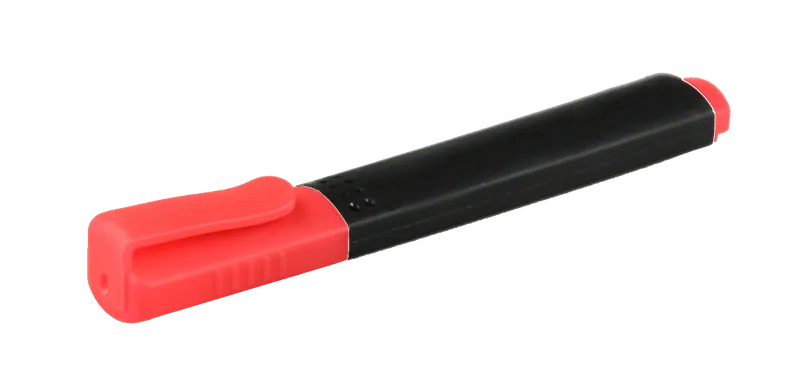
The BIO Mineral Water Quality Test Pen is a portable water quality testing tool that quickly detects whether water contains minerals (electrically conductive substances) via a simple indicator light. It is suitable for preliminary screening of various water sources, including household drinking water, water purifier output, and bottled water.
Product Features
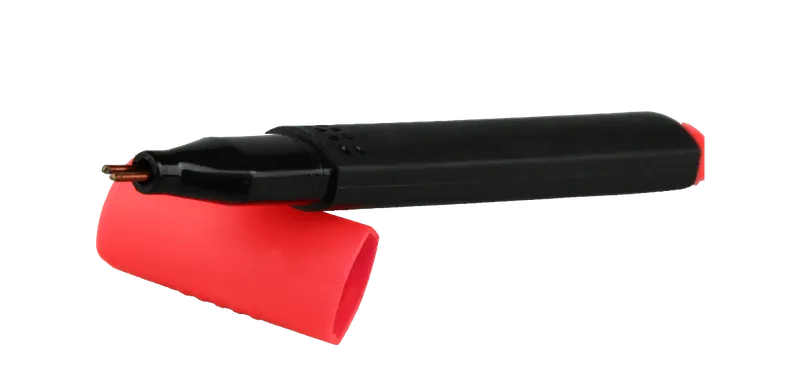
The BIO Mineral Water Quality Test Pen features a copper-core probe and an anti-short-circuit design. Operation is extremely simple: place the pen tip into water — pure water does not light up, while mineral water lights up. Compared with common iron-probe products on the market, this product provides more accurate and durable measurement. In addition, the insulating layer and integrated molded structure effectively prevent water ingress and current loss, significantly extending service life.
- Mineral Detection: Quickly determines whether the water contains conductive minerals by whether the indicator light turns on.
- Easy Operation: No complex steps required; the probe immediately displays the result upon contact with the water sample.
- High-Precision Probe: The copper-core probe is covered with an insulating layer on its surface, delivering accurate and fast measurement while avoiding the rust issues that affect iron probes.
- Anti-Short-Circuit Design: The insulating layer on the probe surface prevents residual water droplets after testing from forming a current path, protecting the battery and circuit.
- Durable Structure: The integrated molded probe prevents water ingress, and the battery is replaceable, extending the overall service life of the pen.
- High-Brightness Indicator Light: The exposed test lamp tube provides higher brightness; a built-in secondary lamp tube makes the lighting result clear and easy to read.
Core Parameters
- Detection Method: Contact-based electrical conductivity test of the water sample.
- Display Method: LED on/off; lighting indicates the presence of conductive minerals.
- Probe Material: Copper core + insulating layer.
- Anti-Short-Circuit Design: The probe surface is insulated, so residual water droplets do not form a current loop.
- Structural Design: Integrated molding of probe and pen body to prevent water ingress.
- Power Supply: Replaceable button cell battery.
- Applicable Water Samples: Tap water, water purifier output, bottled water, barreled water, outdoor water sources, etc.
Usage Scenarios
- Preliminary water quality assessment for daily household tap water, purified water, and mineral water.
- Quick verification of the output effect of water purifiers and water dispensers.
- Rough screening of outdoor water sources (such as spring water and well water) for mineral content.
- Simple detection of mineral presence in bottled water and barreled water.
- Demonstrating the relationship between water conductivity and mineral content in teaching demonstrations or science popularization activities.
FAQ
Q: Why does pure water not light up the indicator while mineral water does?
Pure water contains almost no conductive mineral ions, so its resistance is high and the circuit does not conduct. Mineral water contains conductive ions such as calcium, magnesium, and sodium, which allow the circuit to conduct and light up the indicator.
Q: Will the pen consume battery power after the probe gets wet?
No. The probe surface of this product has an insulating layer. Even if water droplets remain on the probe, no current path is formed, so residual droplets will not drain the battery.
Q: Why is a copper-core probe used instead of an iron probe?
Most products on the market use iron probes, which are prone to rust and can affect demonstration results and detection accuracy. The copper-core probe with an insulating layer effectively prevents rust and ensures accurate, fast measurement.
Q: How do I replace the battery?
Open the battery compartment cover, insert a new battery (button cell) according to the positive and negative markings, and close the cover firmly. The replaceable battery design helps extend the overall service life of the product.
Q: What are the benefits of the integrated molded probe?
The integrated molded structure effectively prevents water from seeping into the interior through probe gaps, avoiding moisture damage to the internal circuit, and improving product reliability and lifespan.
Q: Can the BIO Mineral Water Quality Test Pen measure the specific mineral content in water (such as TDS value)?
No. It can only determine whether conductive minerals are present in water by whether the indicator lights up; it cannot display a concentration value. For quantitative testing, please use other instruments such as a TDS test pen.
Related Terms
- Mineral Water: Water that contains dissolved minerals (in ionic form) such as calcium, magnesium, potassium, and sodium, giving it a certain level of electrical conductivity.
- Pure Water: Water that is basically free of impurities and mineral ions, with extremely low conductivity and almost no electrical conductance.
- Electrical Conductivity: The ability of an aqueous solution to conduct electric current due to the presence of ions. The higher the mineral content, the stronger the conductivity generally is.
- Iron Probe: A common low-cost probe material for water quality test pens; its drawbacks include being prone to rust and affecting detection results.
- Copper-Core Probe: A probe made with copper as the base material and covered with an insulating layer; it is oxidation-resistant, electrically stable, and provides more accurate measurement.
- Anti-Short-Circuit Design: A design that uses an insulating layer to isolate water droplets on the probe surface, preventing accidental current paths and thereby protecting the battery and circuit.
- Integrated Molding: Seamless machining at the connection between the probe and the pen body to prevent water from entering the internal circuit.